Why Fashionable Is the Perfect Typeface for Elegant, Feminine Designs
There’s something undeniably captivating about a font that feels both timeless and fresh, one that carries personality without shouting for attention. If you’ve ever struggled to find a typeface that balances sophistication with approachability, especially for projects targeting a feminine or upscale audience, you know how tricky that search can be. Too many elegant fonts feel cold or overly formal, while friendly ones sometimes lack the refinement needed for premium branding. This is where a well-crafted serif font like Fashionable enters the picture, offering a blend of style, readability, and charm that’s surprisingly versatile.
A Closer Look at Its Visual Personality
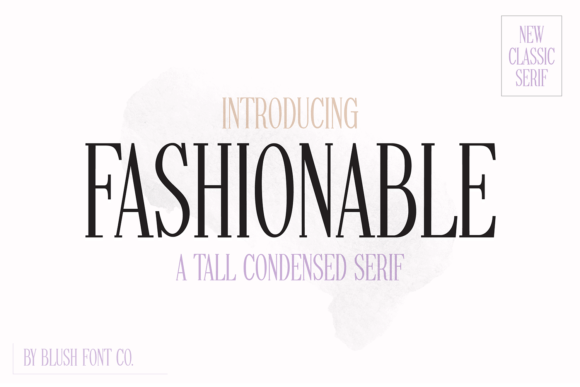
Fashionable is a tall, skinny serif font that immediately catches the eye with its delicate structure. The serifs are subtle, adding just enough detail to give letters definition without feeling heavy. What makes it stand out is how it maintains a sense of lightness and femininity while still being highly legible at various sizes. The tall x-height and narrow proportions give it a modern, airy feel, making it ideal for designs that need to feel polished yet approachable.
Unlike some decorative fonts that sacrifice readability for style, Fashionable manages to be both visually interesting and practical. The letterforms are clean, with consistent spacing that ensures words flow smoothly across a page or screen. This balance is crucial for anyone creating content that needs to communicate clearly while also making a visual impression. Whether you’re designing a logo for a boutique, crafting social media posts for a lifestyle brand, or laying out editorial content for a magazine, this typeface adapts beautifully to different contexts.
Where This Font Truly Shines: Real-World Applications
One of the greatest strengths of a font like Fashionable is its versatility across different types of projects. For branding, it works exceptionally well for businesses that want to convey elegance, creativity, or a feminine touch. Think of a skincare line, a wedding planning service, a boutique fashion label, or a wellness blog. The font’s personality helps establish a brand identity that feels curated and intentional.
In logo design, the tall, slender letters create a distinctive silhouette that’s memorable without being overly complex. It pairs well with simpler sans serif fonts for body text, allowing for a cohesive visual hierarchy. For packaging design, especially on products targeting women or those in the beauty and lifestyle space, Fashionable adds a layer of sophistication that can elevate the perceived value of the product itself.
Social media graphics are another area where this font excels. In a crowded digital space, having a consistent and recognizable typeface helps your content stand out. Whether you’re creating Instagram stories, Pinterest pins, or Facebook banners, using Fashionable for headlines or key phrases can make your posts more visually cohesive and professional. It’s also a great choice for website headers, blog titles, and call-to-action buttons where you want to draw attention without overwhelming the reader.
Beyond digital, this font translates beautifully to print materials. Invitations for events, especially weddings, galas, or upscale launches, benefit from its elegant yet readable style. Editorial layouts in magazines or lookbooks can use it for pull quotes or section headers to add visual interest. Even merchandise like tote bags, mugs, or stationery can be enhanced with a font that feels both stylish and personal.
Practical Tips for Using Fashionable Effectively
Choosing the right font is only half the battle; knowing how to use it effectively is what makes a design truly work. Here are some practical considerations to keep in mind when incorporating Fashionable into your projects:
Match the font to your project goals. While Fashionable is versatile, it’s not ideal for every situation. It works best for projects that aim to feel elegant, feminine, or upscale. For corporate reports or technical documentation, a more neutral serif or sans serif might be more appropriate. Always consider the tone and audience of your project before selecting a typeface.
Pay attention to font pairings. A common mistake is using a single font for everything. Fashionable pairs well with clean, simple sans serif fonts for body text. Think of fonts like Lato, Open Sans, or Montserrat as complements. The contrast between the delicate serif and a straightforward sans serif creates visual balance and improves readability.
Consider readability at different sizes. While Fashionable is designed to be legible, its tall, narrow form may require adjustments at very small sizes, especially in print. Test your designs at the intended output size to ensure text remains clear. For body copy, you might opt for a slightly larger font size than you would with a more conventional serif.
Explore the included font styles. Many premium fonts come with multiple weights or styles. Check if Fashionable includes light, regular, bold, or italic versions. Using these variations strategically can add depth to your designs without introducing a new typeface, helping maintain visual consistency.
Understand licensing for commercial use. If you’re using the font for client work or commercial projects, make sure you have the appropriate license. Most font foundries offer different licensing options based on usage, so review the terms carefully to avoid legal issues down the line.
Building a Cohesive Visual Identity
Typography plays a subtle but powerful role in how people perceive a brand. The fonts you choose communicate values, personality, and professionalism before a single word is read. By incorporating a typeface like Fashionable into your brand identity, you’re making a deliberate choice to appear polished and intentional.
Consistency is key here. Using the same font across your website, social media, packaging, and print materials creates a unified look that reinforces brand recognition. When customers see your content, they should immediately associate the visual style with your business. This kind of recognition builds trust and makes your marketing efforts more effective.
For small business owners and entrepreneurs, investing in a high-quality font can be a smart move. While free fonts are tempting, they often come with limitations in terms of style, weight, or licensing. A premium font like Fashionable typically offers more design flexibility and professional polish, which can make a significant difference in how your brand is perceived.
Content creators and marketers can also benefit from having a go-to font for their assets. Whether you’re designing email headers, digital ads, or presentation slides, having a consistent typeface streamlines your workflow and ensures your materials look cohesive. It’s a small detail that can have a big impact on audience engagement.
Final Thoughts on Choosing Your Next Typeface
Finding the right font is a bit like finding the right outfit—it needs to fit the occasion, reflect your personality, and make you feel confident. Fashionable offers a unique blend of elegance and approachability that suits a wide range of creative projects. Its tall, skinny serif design feels both modern and timeless, making it a versatile addition to any designer’s toolkit.
Whether you’re refreshing a brand identity, launching a new product, or simply looking to elevate your visual content, taking the time to select a font that aligns with your goals is always worthwhile. Test it out, see how it feels in context, and don’t be afraid to experiment with pairings and applications. The right typography can transform a good design into a great one, helping you connect with your audience in a more meaningful way.