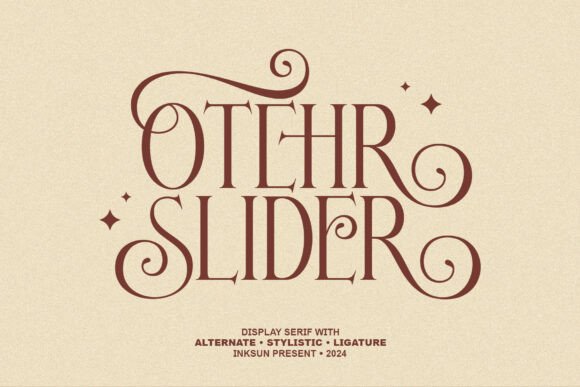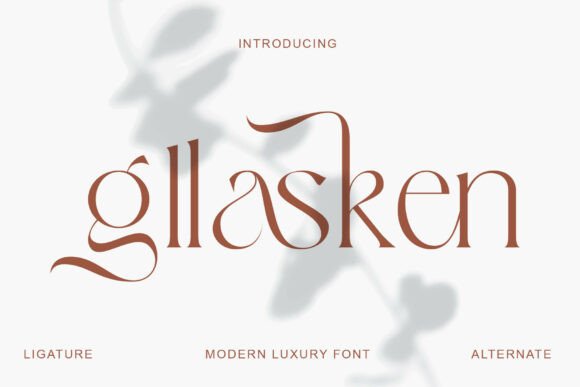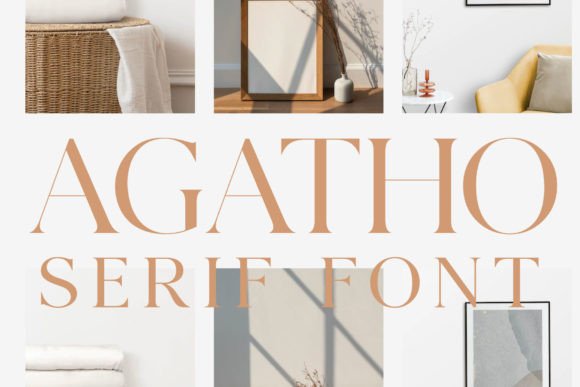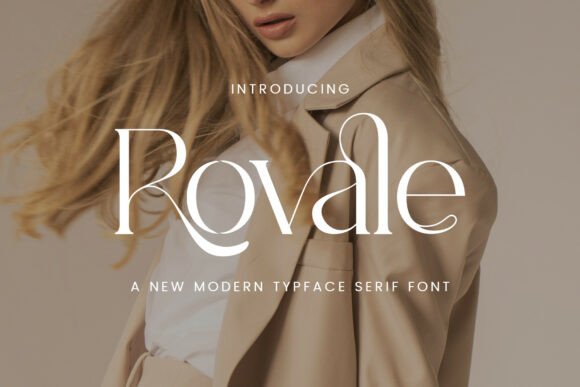
Bright: The Retro Serif Font That Feels Both Modern and Nostalgic
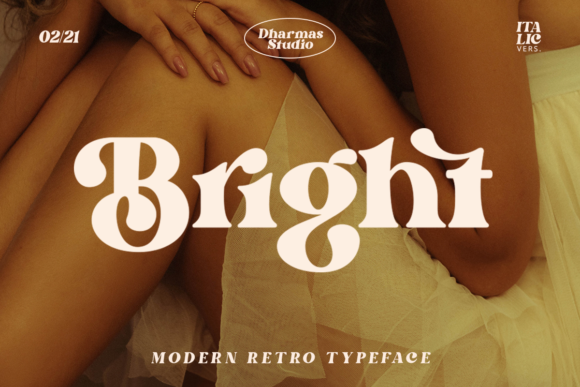
There's a particular kind of typography that stops you mid-scroll. It's the font on a craft brewery label that feels like it's been there since 1972, or the headline on a boutique hotel website that balances elegance with a playful wink. This is the space where Bright lives—a stylish serif typeface that manages to feel simultaneously fresh and familiar, like a perfectly curated vintage find in a contemporary gallery.
What makes this typeface resonate so deeply is its ability to bridge eras. It carries the bold, optimistic curves of mid-century design but executes them with the precision and clarity of modern digital typography. The letterforms are confident without being aggressive, detailed without becoming fussy. For anyone building a visual identity, this creates an immediate emotional connection—your audience doesn't just read your words, they feel your brand's personality before they've processed a single sentence.
Where Retro Charm Meets Contemporary Design Needs
Think about the brands that have staying power. They often have a visual language that feels timeless rather than trendy. Bright offers exactly this kind of enduring appeal. Its dual nature—modern enough for digital interfaces, retro enough to evoke warmth and authenticity—makes it surprisingly versatile across different applications.
Consider a small-batch candle company. Using Bright on their packaging immediately communicates craftsmanship and attention to detail. The same font on their Instagram Stories creates visual consistency that builds recognition over time. On their website, it sets a tone that feels both professional and approachable. This kind of cohesive typography is what separates amateur branding from professional brand identity systems.
The font's character really shines in projects that need to tell a story. Editorial layouts for magazines or lookbooks benefit from its distinctive personality. Wedding invitations or event posters gain instant sophistication. Even something as straightforward as a restaurant menu becomes more memorable when set in a typeface with this much character.
Practical Applications That Actually Work
Let's move beyond theory. Here's where designers and business owners are finding real value with this particular style of serif:
Logo and Brand Mark Development – A logo needs to work at various sizes and across different media. The clean, bold construction of this typeface ensures legibility whether it's embroidered on a hat or displayed on a billboard. The vintage aesthetic works particularly well for brands in the food and beverage space, artisanal goods, hospitality, or any business wanting to communicate heritage and quality.
Digital Presence and Social Media – In the constant battle for attention online, distinctive typography is a secret weapon. Headers set in Bright create immediate visual hierarchy in blog posts. Quote graphics become more shareable. Instagram carousels gain a cohesive, professional look that encourages saves and shares. The font's personality helps content stand out in crowded feeds without resorting to clickbait tactics.
Print Collateral and Packaging – There's something about ink on paper that demands a typeface with soul. Business cards, brochures, product labels, and thank-you cards all benefit from fonts that have visible character. The retro-modern balance of this particular serif makes it suitable for both luxury positioning and more casual, artisanal brands.
Editorial and Layout Design – For magazines, lookbooks, or digital publications, having a display font that complements body copy is essential. Bright works beautifully for headlines, pull quotes, and section headers, creating visual interest that guides readers through content. Pair it with a clean sans-serif for body text, and you have a professional typographic system.
Making the Most of Your Font Investment
One of the most practical aspects of working with premium fonts is understanding what you're actually getting. With over 50 unique alternates and ligatures included, this typeface offers serious creative flexibility. These aren't just decorative extras—they're tools for solving specific design challenges.
Alternates allow you to customize the look of specific letters, preventing that "off-the-shelf" appearance that comes from using standard characters everywhere. Maybe you want a more flourished capital 'R' for your logo, or a simplified 'g' for better readability in smaller sizes. Having these options built into the font saves hours of manual customization.
Ligatures—the connected letter combinations like 'fi' or 'st'—add an organic, handcrafted quality to text. They smooth out awkward character combinations and create more natural-looking typography. For display use, they can transform good design into exceptional design.
The PUA encoding is particularly important for practical use. It means all those special characters are accessible through standard software, not just professional design applications. Whether you're working in Adobe Creative Suite, Canva, or even some website builders, you can access the full character set. This accessibility makes it a realistic option for small business owners who might not have extensive design software experience.
Pairing and Testing for Real Projects
Choosing the right font is only half the battle. Knowing how to use it effectively is what separates good design from great design. Here are some practical considerations:
Readability first, personality second. A beautiful font that people can't read defeats its purpose. Test your chosen typeface at the actual sizes it will appear. A headline at 48 points might look stunning, but what happens at 14 points in a paragraph? Bright's clear construction holds up well across sizes, but always verify for your specific application.
Font pairing is an art worth practicing. The vintage character of this serif pairs beautifully with geometric sans-serifs for contrast, or with clean humanist sans-serifs for harmony. Avoid pairing it with other highly decorative fonts—let it be the star. For body copy, choose something neutral that won't compete for attention.
Consider your entire visual ecosystem. How will your typography choices work with your color palette, imagery, and overall brand aesthetic? A retro serif might clash with ultra-modern minimalist photography but could complement lifestyle imagery with warm, natural lighting. Think holistically about your visual language.
Test in context, not just in isolation. Don't just look at the font on a blank page. Mock up actual applications—your website header, a social media post, a product label. See how it interacts with your specific content and other design elements. What looks perfect in a font specimen might need adjustment in real-world use.
Beyond the Basics: Building a Typographic System
For serious projects, think about typography as a system rather than a single choice. A well-considered type system includes a display font for headlines, a complementary font for body text, and perhaps an accent font for special applications. The versatility of a font like Bright makes it an excellent anchor for such a system.
Consider licensing carefully if you're using fonts for commercial projects. Most premium fonts come with specific usage rights—understanding these ensures you're protected legally and can use your chosen typeface across all intended applications without issues. It's worth reviewing the license terms before committing to a font for a major branding project.
The real value of investing in quality typography shows up in the details. It's the difference between a business card that gets tossed and one that gets kept. It's the website that feels trustworthy versus one that feels generic. It's the social media presence that builds recognition over months and years.
Typography might seem like a small detail in the grand scheme of building a brand or creating content, but it's one of those foundational elements that influences everything else. The right typeface doesn't just display your words—it communicates your values, sets expectations, and creates an emotional resonance that purely functional text simply cannot achieve. In a world saturated with visual noise, that kind of thoughtful differentiation is worth its weight in gold.