Rovale: Where Modern Sophistication Meets Serif Charm
There’s a certain quiet confidence that comes with choosing the right serif font. It’s not just about letters on a page—it’s about the story those letters tell before a single word is read. For designers, brand builders, and creative professionals seeking that balance between classic elegance and contemporary edge, Rovale presents itself as a compelling option worth exploring.
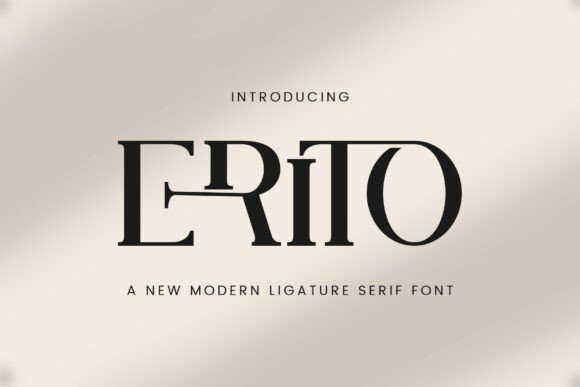
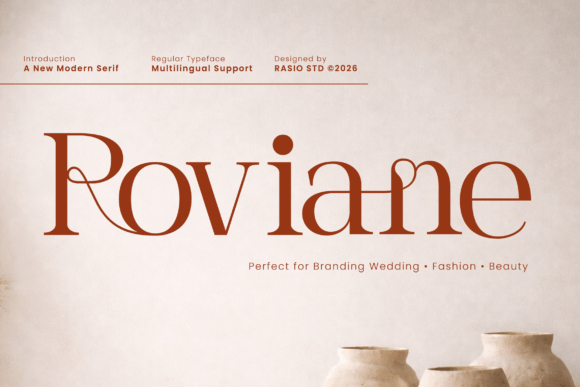
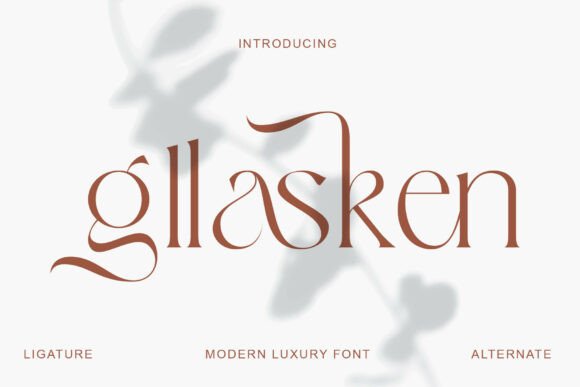
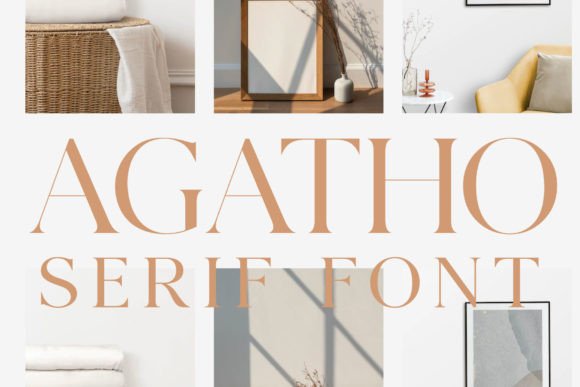
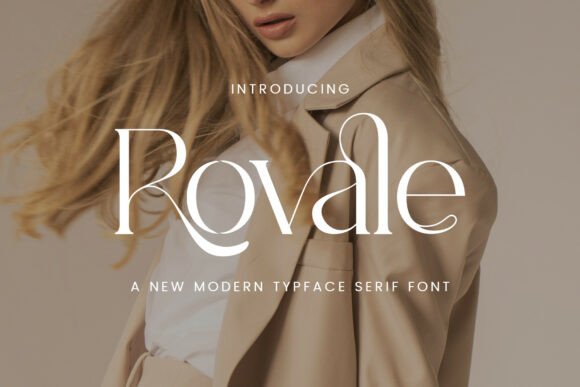
At its core, Rovale is a premium serif typeface designed to bridge the gap between traditional editorial aesthetics and modern luxury branding. Its letterforms carry a refined contrast—thick and thin strokes that feel intentional rather than exaggerated—while graceful ligatures and carefully crafted curves give it a distinctly feminine, fashion-forward personality. This isn’t a font that shouts; it whispers with authority.
Why Rovale Works Across So Many Creative Projects
What makes a typeface versatile isn’t just how it looks in isolation, but how it performs in context. Rovale’s strength lies in its ability to adapt without losing its identity. Whether you’re designing a wedding invitation suite, building a beauty brand from scratch, or laying out a luxury magazine spread, this font maintains its sophisticated character while remaining surprisingly readable at various sizes.
Consider how it might function across different applications:
- Branding and Logo Design: Rovale’s elegant proportions make it ideal for businesses in fashion, beauty, lifestyle, and hospitality. A boutique skincare line or a high-end interior design studio could use it as a primary wordmark and carry that same typographic voice through all customer touchpoints.
- Packaging Design: On product labels, boxes, and shopping bags, Rovale adds instant perceived value. Its refined details catch the eye on shelf displays while maintaining clarity at smaller print sizes—something many decorative serifs struggle with.
- Social Media Graphics: Instagram posts, Pinterest pins, and Facebook ads benefit from fonts that look polished without feeling stuffy. Rovale’s modern sensibility helps content stand out in crowded feeds while reinforcing a cohesive brand aesthetic.
- Editorial and Print Layouts: Magazine headers, lookbook titles, and coffee table book covers are natural homes for a typeface like this. It pairs beautifully with clean sans serif body text, creating visual hierarchy that guides the reader’s eye.
- Invitations and Stationery: Wedding designers and event planners will appreciate how Rovale brings a romantic, upscale feel to save-the-dates, menus, and place cards without veering into overly ornate territory.
- Websites and Digital Products: When used for headlines and accent text on websites, Rovale can elevate a brand’s online presence. It works particularly well for e-commerce sites selling artisan goods, fashion accessories, or premium services.
Matching Typography to Your Project Goals
Choosing a font isn’t just an aesthetic decision—it’s a strategic one. Before committing to Rovale or any display serif, ask yourself what emotional response you want to evoke. Rovale communicates sophistication, femininity, and modern luxury. If your brand or project leans toward minimalism, industrial design, or playful youthfulness, it might not be the right fit. But if your audience values elegance, quality, and a touch of romance, this typeface speaks their language fluently.
One practical approach is to collect visual references that align with your brand’s personality. Pin magazine layouts, packaging examples, and logo designs that resonate with your vision. Then test Rovale against those references. Does it feel like it belongs in that visual world? If so, you’re likely on the right track.
Another consideration is how Rovale interacts with other fonts you plan to use. Most design projects require at least two typefaces—one for headlines and one for body copy. Rovale pairs well with clean, geometric sans serifs that provide contrast without competing for attention. Think of fonts like Montserrat, Poppins, or even a simple sans serif like Open Sans. The goal is complementary contrast: the serif brings personality and elegance to headlines, while the sans serif handles longer text blocks with clarity and ease.
Readability Isn’t Optional—It’s Essential
One common concern with decorative or display-oriented serif fonts is readability. Beautiful letterforms mean nothing if your audience can’t comfortably read your message. This is where Rovale distinguishes itself. While it certainly has personality, every glyph has been constructed with legibility in mind. The letter spacing, x-height, and stroke contrast all work together to ensure text remains accessible whether it’s printed on a business card or displayed on a mobile screen.
That said, context matters. A font that reads beautifully at 48 pixels on a desktop monitor might feel cramped at 14 pixels on a phone. Always test your typography choices at the actual sizes and on the actual devices your audience will use. For body text on websites, Rovale is best reserved for short passages, pull quotes, or accent text rather than lengthy paragraphs. Let a dedicated body font do the heavy lifting there.
For print materials, consider the paper stock and printing method. A font with fine details like Rovale’s delicate hairlines can sometimes lose definition on textured or uncoated paper at very small sizes. A quick test print can save you from costly reprints later.
Building a Cohesive Brand Identity Around Rovale
Consistency is the backbone of effective branding. When your typography stays uniform across every customer interaction—from your website header to your email signature to your product hang tags—people start to recognize your brand before they even read your name. Rovale, with its distinctive yet versatile character, can serve as that connective thread.
Start by establishing clear typographic guidelines. Define which font styles you’ll use for headlines, subheadings, body text, and callouts. Specify sizes, weights, and colors. If Rovale includes multiple styles—such as regular, italic, bold, or condensed variations—map out where each belongs in your visual system. This kind of documentation might feel tedious, but it pays dividends when you’re handing off design files to a collaborator or scaling your marketing efforts.
For small business owners and solo entrepreneurs, investing in a commercial font like Rovale means you’re getting a professionally crafted design asset with proper licensing. That matters more than many people realize. Using fonts without appropriate licenses—whether for a client project, merchandise, or digital products—can lead to legal headaches down the road. Always review the license terms before purchasing, and make sure they cover your intended use cases.
Practical Tips for Getting the Most Out of Rovale
Once you’ve decided to incorporate Rovale into your design toolkit, a few best practices can help you maximize its impact:
- Explore all available styles. Many premium fonts come with alternate characters, ligatures, and stylistic sets. Open your design software’s glyph panel and see what hidden gems are included. Swapping in an alternate “a” or connecting two letters with a ligature can add subtle uniqueness to your work.
- Don’t overuse it. A font this refined can lose its impact if every single element on the page uses it. Reserve Rovale for moments that matter—your brand name, key headlines, hero text on a landing page—and let simpler typography support the rest.
- Test color combinations. Rovale looks stunning in deep, muted tones—think charcoal, navy, burgundy, or forest green on cream or white backgrounds. It also holds up well in reversed-out white text on dark imagery. Experiment with your brand palette to find combinations that feel luxurious without being overwrought.
- Consider spacing carefully. Tracking (letter spacing) and leading (line spacing) can dramatically affect how a serif font feels. Slightly increased tracking often enhances elegance, while generous leading improves readability in multi-line settings.
- Pair with intention. As mentioned earlier, Rovale thrives alongside clean sans serifs. Avoid pairing it with other highly decorative fonts—script typefaces, heavy display fonts, or ornamental faces—as this creates visual noise rather than harmony.
Whether you’re refreshing an existing brand identity, launching a new product line, or simply looking for a typeface that brings polish and personality to your creative projects, Rovale deserves a closer look. Its blend of modern sophistication and timeless serif charm makes it a valuable addition to any designer’s font library—and a powerful tool for anyone who understands that great typography is about far more than just picking something that looks pretty.