Roviane: Where Architectural Grace Meets Calligraphic Charm
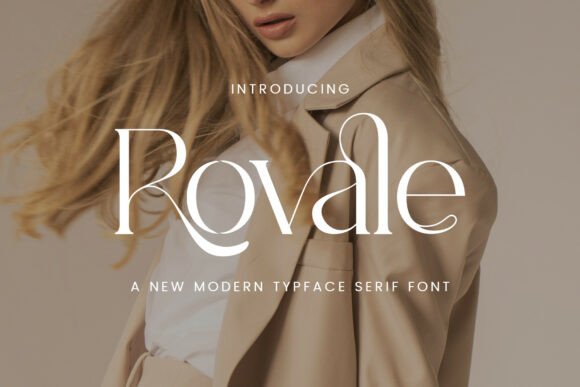
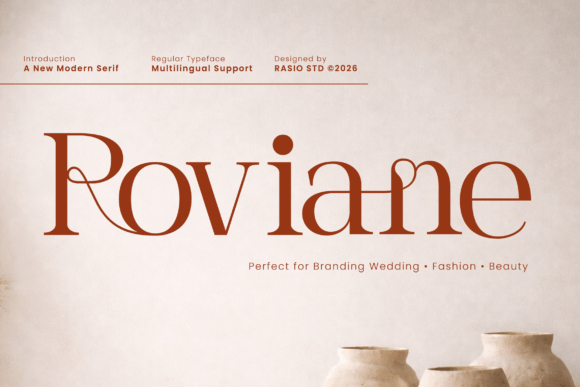
Imagine a typeface that feels both timeless and utterly contemporary—a font that carries the weight of classical Roman architecture in its sturdy bones, yet flows with the delicate, fluid charm of hand-lettered calligraphy. That’s the experience of working with Roviane. This premium serif font doesn’t just sit on the page; it performs. Its high-contrast strokes, elegant teardrop terminals, and subtle structural shifts give it a personality that’s both sophisticated and approachable. For designers and brand builders, it’s a tool that instantly communicates quality and intentionality.
A Visual Language of Elegance and Whimsy
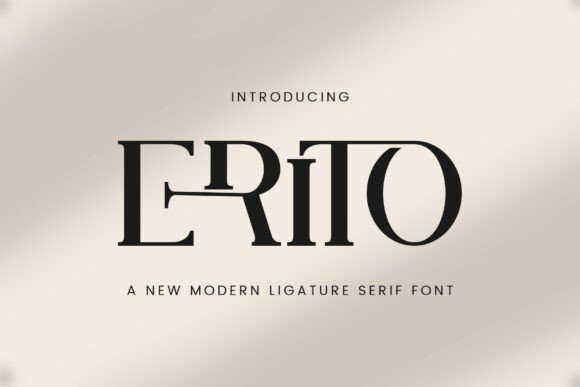
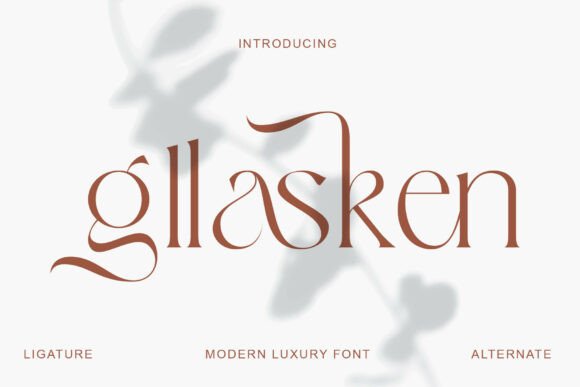
What truly sets this modern serif apart is its collection of specialized, interlocking ligatures. These aren't just functional connections between letters; they're artistic flourishes that transform standard text into custom logotypes. Picture the whimsical, heart-shaped loop that can bridge the inner stems of certain letter combinations. This feature alone turns a simple wordmark into a memorable, ownable brand asset. The font’s design is meticulous, with sweeping leg curves and playful details that catch the eye without overwhelming it. It’s this balance—between structured elegance and creative flair—that makes it such a versatile addition to any designer’s toolkit.
From Wedding Suites to Global Skincare Labels
The real test of a great display font is its ability to adapt to different projects while maintaining its core identity. Roviane excels here, performing beautifully across a stunning range of applications. Its inherent sophistication makes it a natural fit for high-end wedding branding, where it can grace invitations, menus, and signage with a touch of refined romance. In the world of haute couture and luxury fashion, it’s the perfect choice for lookbooks, boutique logos, and editorial headlines that demand attention and convey exclusivity.
But its utility extends far beyond the realm of high-fashion and nuptials. Consider its power in packaging design. For a premium skincare line, the font’s clean elegance suggests purity and efficacy. For artisanal food products, it evokes a sense of tradition and quality. Its strength as a creative font also shines in digital spaces. Use it for striking social media graphics that stop the scroll, for website hero sections that establish immediate brand authority, or for blog headers that lend a professional, editorial air to your content. It’s a font that understands the nuances of visual communication across mediums.
Building a Cohesive Brand Identity
Choosing a typeface is a strategic decision. The right font becomes a cornerstone of your brand’s visual consistency. When you select a premium font like Roviane for your primary logo and headlines, you’re setting a specific tone. Its character—sophisticated, artistic, and modern—becomes part of your brand’s DNA. This consistency is crucial for building recognition. When customers see that distinctive serif paired with your brand colors and imagery across your website, packaging, and social feeds, they begin to associate that specific aesthetic with your business.
Readability is another key consideration, and this typeface is engineered for clarity. While it’s a display font with personality, its forms are carefully crafted to remain legible, even at smaller sizes in body copy or on digital screens. This makes it a practical choice not just for impactful headlines but also for subheadings, pull quotes, and short blocks of text in editorial layouts or marketing assets. It allows you to create a harmonious typographic hierarchy where style and function coexist.
Practical Tips for Pairing and Implementation
Integrating a new font into your workflow is both exciting and practical. To get the most out of Roviane, consider these approaches:
- Start with the Ligatures: Experiment with the special ligature features in your design software. See how connecting letters like “st,” “tt,” or “fi” can add a unique, custom feel to a logo or title. This is where the font’s artistic signature truly comes alive.
- Choose Complementary Pairings: A serif with this much character often pairs best with a clean, neutral sans-serif font for body text. Think of fonts like Montserrat, Lato, or Open Sans. This contrast ensures your headlines pop while maintaining excellent readability for longer paragraphs.
- Test Across Contexts: Before finalizing, mock up your design across different applications. How does it look on a warm ceramic texture for a product label? Does it hold its own on a minimalist editorial page? Place it against rich, earthy backdrops to see how the contrast plays out. This testing phase is vital.
- Review the Full Character Set: A font with full multilingual support is a significant asset for businesses with a global audience. Take time to review all the glyphs, numbers, and punctuation marks included. You might find alternate characters or symbols that inspire new design directions.
- Clarify Your License: For any commercial project—whether you’re a freelance designer, a small business owner, or a large corporation—always ensure you have the correct license. Understanding the terms for commercial use protects your work and your client’s investment.
Ultimately, a typeface is more than just a set of letters. It’s a design asset with the power to shape perception, tell a story, and connect with an audience on an emotional level. By choosing a tool that aligns with your project’s goals and values, you’re not just designing—you’re building a visual world that feels intentional, cohesive, and unmistakably yours.