The Charm of Hand-Crafted Typography: Tippy Tappy Line
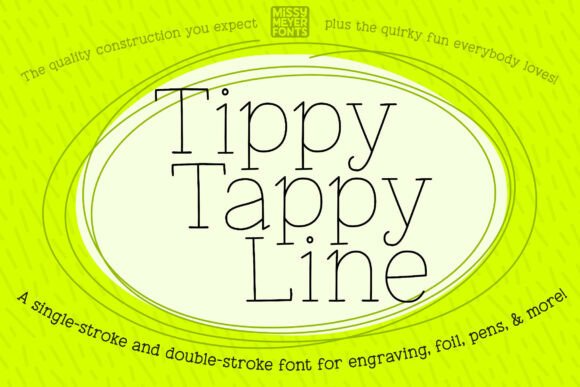
There’s a certain warmth that comes with imperfection—the slight wobble of a handwritten note, the texture of a stamped impression, the charm of a font that feels like it was typed on an old machine. That’s exactly the kind of character Tippy Tappy Line brings to the table. It’s not just another typeface; it’s a design asset with personality, crafted to evoke nostalgia and creativity in equal measure. Whether you’re designing a logo, packaging a product, or creating social media graphics, this font offers something distinct: a hand-drawn typewriter style that feels authentic and approachable.
What sets Tippy Tappy Line apart is its origin. It’s a single-line font derived from the original Tippy Tappy Type outline typeface. This means it’s designed specifically for tools that draw or engrave rather than print—think sketch pens, foil quills, or even Glowforge scoring. If you work with machines like Cricut or Brother cutting systems, you know how important it is to have fonts optimized for your workflow. Tippy Tappy Line includes both single-stroke and double-stroke versions, giving you flexibility across design software and platforms. And for those moments when you need full character access, there’s a complete SVG file included, which can be a lifesaver in programs like Brother CanvasWorkspace where typeable fonts might hit limitations.
A Font with Real-World Versatility
One of the biggest challenges in design is finding typography that works across multiple contexts without losing its essence. Tippy Tappy Line manages to bridge the gap between playful and professional. Imagine using it on a custom cutting board for a wedding gift—the engraved letters have that hand-crafted feel, yet they’re clean enough to look intentional. Or picture it on a small business’s packaging: the font adds a personal touch that makes the product feel curated, not mass-produced.
For branding, especially for small businesses or entrepreneurs, typography is a silent ambassador. It communicates values before a single word is read. Tippy Tappy Line’s quirky, typewriter-inspired style suggests creativity, attention to detail, and a touch of nostalgia. It could work beautifully for a boutique coffee shop’s logo, a handmade jewelry brand’s tags, or even a blogger’s header graphics. The key is matching the font’s personality with your brand’s voice. If your brand leans toward artisanal, vintage, or handmade aesthetics, this font can reinforce that identity consistently across your materials—from business cards to social media posts.
Practical Applications Beyond the Obvious
While Tippy Tappy Line shines in physical products like engraving and cutting, its use extends far beyond. Think about digital spaces: website headers, blog titles, or email newsletters. A font like this can break the monotony of standard sans serif or serif fonts, adding visual interest without sacrificing readability. It’s also a solid choice for editorial design—think magazine pull quotes, book chapter headings, or infographic labels. The hand-drawn quality makes text feel more human, which can be especially useful in marketing materials where you want to connect emotionally with your audience.
For content creators, consistency is key. Using Tippy Tappy Line across your Instagram graphics, YouTube thumbnails, and Pinterest pins can create a recognizable visual thread. It’s a creative font that doesn’t overwhelm; it complements rather than dominates. Pair it with a clean sans serif for body text, and you’ve got a balanced, engaging layout. Testing font pairings is crucial here—always preview how Tippy Tappy Line looks alongside other typefaces in your design software to ensure harmony.
Design Considerations and Best Practices
Choosing a font like Tippy Tappy Line isn’t just about aesthetics; it’s about functionality. Since it’s a single-line font optimized for drawing tools, it’s not intended for traditional printing or word processing. If you try to use it in a standard document editor, you might not get the desired effect. Instead, think of it as a specialty tool in your design toolkit—perfect for specific projects where its unique properties add value.
Readability is another important factor. While Tippy Tappy Line is legible at various sizes, its hand-crafted style means it’s best used for headlines, short phrases, or accent text rather than long paragraphs. For body copy, stick with more neutral fonts like a classic serif or sans serif. Also, consider the context: on a physical product, the engraved or drawn lines will have a tactile quality that enhances readability through texture. On screen, ensure there’s enough contrast and spacing so the letters don’t blur together.
When working with cutting machines or engraving tools, always test your design on a scrap material first. This helps you catch any issues with stroke weight or spacing before committing to the final piece. The included SVG file can be particularly helpful here, as it gives you manual control over each character if the typeable font doesn’t behave as expected in your software.
Building a Cohesive Visual Identity
Typography is a cornerstone of brand identity. The fonts you choose should reflect your brand’s personality and be consistent across all touchpoints. Tippy Tappy Line, with its distinctive style, can become a signature element of your visual language. Use it for logos, headings, or call-to-action buttons to create a cohesive look that stands out. Just remember to balance it with more neutral fonts for body text to maintain readability and professionalism.
For those in commercial projects, always review licensing. Tippy Tappy Line is designed for both personal and commercial use, but it’s wise to double-check the terms, especially if you’re using it in products for sale. This ensures you’re compliant and avoids any legal hiccups down the road.
Ultimately, fonts like Tippy Tappy Line are about storytelling. They add a layer of meaning and emotion to your designs, helping you connect with your audience on a deeper level. Whether you’re a crafter adding a personal touch to a handmade item or a marketer creating a campaign that feels authentic, this font offers a tool to express that creativity. It’s not just about looking good—it’s about feeling right.