The Uncluttered Typeface: Why Designer Works Everywhere
You know that feeling when you’re staring at a blank artboard, trying to find a typeface that screams "professional" but doesn't scream "I tried too hard"? It’s a balancing act. We want our work to look polished and expensive, but we also need it to feel approachable and readable. If you’ve been wading through endless lists of display font options and script font variations, feeling overwhelmed by the noise, it might be time to strip things back to the essentials. There is a quiet power in simplicity, a specific kind of confidence that comes with a typeface that just works without the flashy distractions.
The Appeal of the "Invisible" Design
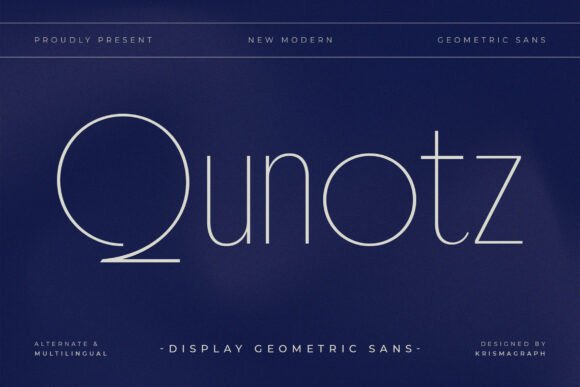
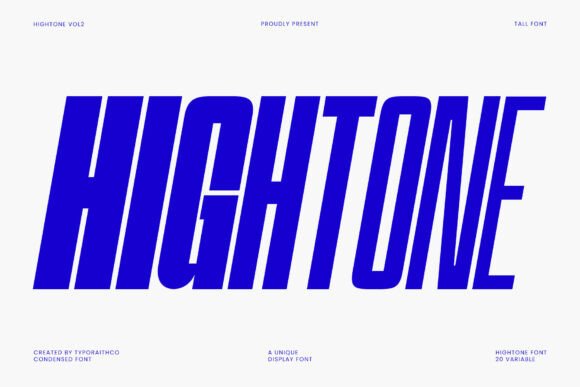
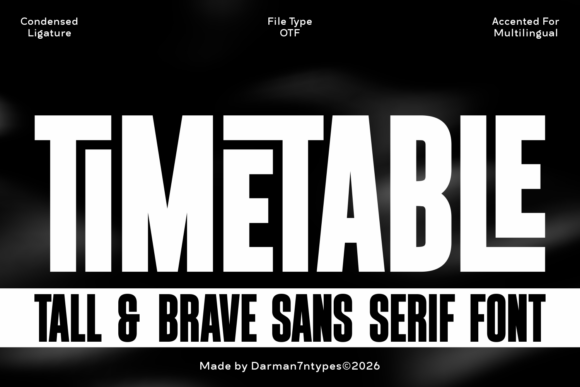
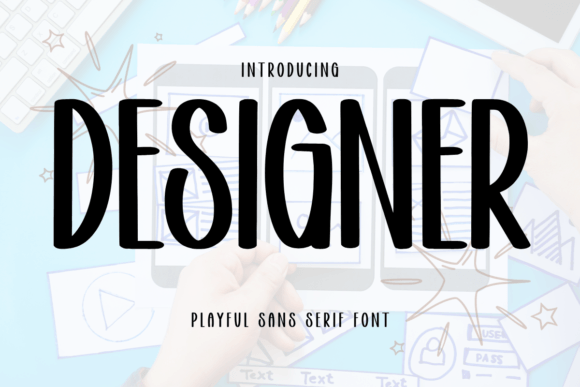
In the world of typography, the best fonts are often the ones you don’t notice immediately. They do their job so well that the message takes center stage. This is exactly where Designer enters the conversation. It is a sans serif font built on the foundation of clarity. It doesn't have the jagged edges of a grunge font or the elaborate loops of a handwritten font. Instead, it offers clean lines and balanced proportions that make it incredibly versatile. Think of it as the perfect white t-shirt of your design assets—it goes with everything, fits well, and looks good in almost any context.
The visual appeal of Designer lies in its neutrality. It avoids being too geometric or too humanist, sitting comfortably in a sweet spot that feels distinctly modern typography. For a small business owner or a content creator, this is gold. You aren't pigeonholing your brand into a specific micro-trend that might look dated in six months. Instead, you are investing in a premium font that maintains its relevance because it prioritizes the reader's eye over the designer's ego.
Bridging the Gap: From Screen to Shelf
One of the biggest headaches in design is finding a typeface that translates well across different mediums. We have all seen fonts that look stunning on a high-res mockup but turn into a blurry mess on a mobile screen, or look crisp on a website but bleed terribly on cheap paper. Designer was developed to solve this specific problem. Its clean lines ensure that whether you are working on web design or packaging design, the integrity of the letterform remains intact.
Let’s look at branding. If you are building a brand identity for a client, consistency is everything. You need a font that can handle the heavy lifting of a headline on a billboard and still look elegant in the fine print of a business card. Because Designer is a commercial font designed for high readability, it excels in editorial design. Imagine laying out a magazine spread or a digital product guide; the text needs to flow effortlessly. The balanced proportions of this typeface mean that long blocks of copy don't fatigue the eye, keeping your audience engaged with the actual content rather than struggling to decipher the words.
Practical Applications for the Modern Creative
If you are a creative entrepreneur or a marketer, you need tools that speed up your workflow without sacrificing quality. Designer serves as a fantastic foundation for a wide variety of projects. Its versatility allows it to adapt to the mood of the project simply by changing the context or the accompanying imagery.
Here are a few specific scenarios where a typeface like this shines:
- Social Media Graphics: In the fast-scrolling world of Instagram or TikTok, legibility is king. You have milliseconds to capture attention. Using a clear, bold weight of Designer ensures your message is understood instantly. It pairs beautifully with lifestyle photography, acting as a subtle overlay that doesn't compete with the visual.
- Logo Design: While some brands need a custom symbol, many modern brands—especially in the tech, wellness, and lifestyle sectors—opt for a clean wordmark. Designer provides a sophisticated base for a logo that feels timeless. It suggests reliability and modernity without being cold.
- Digital Products and Invitations: For those selling planners, worksheets, or creating digital invitations, readability is non-negotiable. A creative font is great for headers, but for the details—who, what, where, and when—you need something that reads clearly even at smaller sizes. Designer handles this beautifully, ensuring your guests or customers don't miss the crucial info.
- Merchandise: Printing on physical objects like tote bags, mugs, or t-shirts requires a font that is bold enough to read from a distance but stylish enough to wear. The aesthetic of Designer is casual enough for merchandise but professional enough for corporate swag.
Mastering the Art of the Pair
A sans serif font like Designer rarely lives in isolation. The real magic happens when you start font pairing. Because Designer is so grounded and unassuming, it acts as the perfect anchor for more expressive typefaces. If you have a favorite serif font with high contrast or a flowing script, Designer provides the necessary visual "rest" for the viewer's eyes.
For example, in blog design, you might use a stylish serif for your article titles to give the site a literary feel, but switch to Designer for the body text to ensure the posts are actually readable. This contrast creates a hierarchy that guides the reader naturally through the page. It’s a technique used by high-end publishers and successful lifestyle bloggers alike. The goal is to create a visual rhythm. The decorative font grabs attention, and Designer holds it.
Choosing the Right Weight and Style
When you download a premium font like Designer, you usually get more than just the standard Regular and Bold. Look closely at the included font styles. You might find Light, Medium, Semi-Bold, and various italic versions. Utilizing these variations is key to a sophisticated design.
Don't just bold everything for emphasis. Try using a "Medium" weight for subheadings and a "Light" weight for a more airy, elegant feel in your marketing assets. Playing with tracking (the space between letters) can also change the personality of the font. Widening the tracking on Designer can give it a high-end, fashion-editorial vibe, perfect for posters or mood boards. Keeping it tight and standard is better for digital interfaces and technical documentation.
A Note on Licensing and Professionalism
As a final, practical note: always check your licensing. If you are working on a project for a client, you need to ensure you have the correct commercial font license. Using a font correctly isn't just about legal compliance; it's about professional integrity. A typeface like Designer is an investment in your toolkit. It saves you time searching for a new font for every project and ensures that your output looks consistently professional.
Ultimately, typography is about communication. While there is a time and place for wild, experimental typefaces, the bulk of our work—whether it's a startup's website, a local bakery's menu, or a freelance designer's portfolio—requires clarity. Designer offers that clarity. It is a practical, stylish, and reliable choice that proves you don't need to be loud to be heard. It’s the quiet confidence your projects have been waiting for.