Qunotz: The Ultra-Thin Typeface That Makes Negative Space Speak
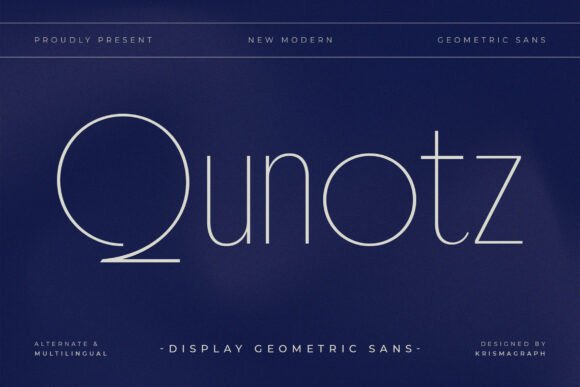
There’s a particular kind of elegance that doesn’t shout. It doesn’t need to. It exists in the space between things, in the quiet confidence of restraint, in the precision of a single, deliberate line. This is the world Qunotz inhabits. At first glance, it might seem almost too delicate, a collection of hairline strokes floating against the page. But look closer, and you’ll find a typeface built with architectural intent, where every curve is a perfect circle and every counter—the open space inside a letter—is as considered as the stroke itself. It’s a design statement that uses negative space as its primary voice.
For designers and brand builders, choosing a font is a strategic decision. It’s not just about aesthetics; it’s about communication. Qunotz is a precision-crafted, ultra-thin geometric display sans serif. Its visual signature is ethereal and distinctly contemporary. Think of it as the typographic equivalent of a well-tailored suit or a minimalist interior—it commands attention through what it omits. This makes it an exceptional choice for projects where sophistication and modernity are paramount. If you’re crafting an identity for a high-end fashion label, a luxury real estate development, an architectural studio, or a fine jewelry brand, this typeface speaks your client’s language fluently.
Where Whispers Become Brand Statements
The true test of a premium font lies in its application. How does it behave in the wild? Qunotz’s pure geometric construction means it achieves a meditative quality at large display sizes. Each letterform becomes a study in minimal construction, perfect for making a bold yet refined statement. Imagine it on a towering real estate billboard, where its clean lines convey stability and cutting-edge design. Picture it embossed on a cosmetic package or a spa menu, where its delicacy suggests purity and care. In these contexts, the font does more than label; it evokes a feeling and sets an immediate tone of quality.
But its utility extends far beyond these obvious luxury sectors. As a modern typeface, it’s a versatile tool for any creative project aiming for a polished, professional presentation. Consider its role in:
- Logo Design: Its simplicity ensures a logo remains crisp and recognizable across all sizes, from a tiny favicon to a storefront sign.
- Editorial Layouts: Used for headlines in magazines or blogs, it creates a clean, airy feel that lets photography and content breathe.
- Digital Products & Websites: Its geometric clarity translates beautifully to screens, offering a sophisticated look for tech startups, design portfolios, or premium e-commerce sites.
- Social Media Graphics: In a feed crowded with noise, a post set in Qunotz stands out through sheer elegance and readability.
- Packaging & Merchandise: From artisanal coffee bags to boutique apparel tags, it adds a layer of intentional design that elevates the perceived value of the product.
Practical Wisdom for Pairing and Implementation
Adopting a typeface like Qunotz into your design toolkit requires a thoughtful approach. Its ultra-thin weight is a feature, not a limitation, but it does inform how you use it. For body text or small print, you’ll want to pair it with a highly legible companion. A classic serif font or a sturdy sans serif with a slightly larger x-height can provide the necessary contrast and readability for paragraphs, while Qunotz handles the headlines and key pull-quotes. This kind of font pairing is a fundamental skill in typography, creating visual hierarchy and guiding the reader’s eye.
Before committing to a commercial font for a major project, always test it. Check the included alternate characters—Qunotz offers these to give you more creative control. Does the standard ‘a’ or ‘g’ fit your vision, or does an alternate provide a better stylistic match? Explore its multilingual support if your audience is international. This due diligence is part of the professional process. Furthermore, understand the licensing. A font used for a client’s logo or product packaging typically requires a commercial license, distinct from a personal-use license. This isn’t just a legal formality; it’s an investment in the integrity and uniqueness of your brand identity.
Ultimately, a typeface like Qunotz is more than a set of letters. It’s a design asset that carries a specific mood and value system. It’s for the entrepreneur who understands that brand recognition is built on consistent, thoughtful details. It’s for the content creator who knows that visual consistency across a blog, social media, and email newsletters builds trust. By choosing a typeface that aligns precisely with your project’s goals—whether that’s conveying innovation, luxury, or serene professionalism—you’re not just picking a font. You’re defining the voice of your visual communication, ensuring it speaks clearly and compellingly to the right audience. In the crowded landscape of modern design, sometimes the most powerful statement is a whisper that everyone leans in to hear.