Ignite Your Brand: A Deep Dive into the Fire Typeface
There are moments in a designer's life when you stumble upon a font that doesn't just sit quietly on the page—it demands attention. Fire is exactly that kind of typeface. It isn’t just another file sitting in your downloads folder; it’s a bold statement waiting to be made. Masterfully designed to become a true favorite, this font has the potential to bring each of your creative ideas to the highest level! If you have been searching for that missing piece of the puzzle to make your headers pop, your packaging sell, and your brand identity unforgettable, you might have just found your spark. Let’s explore how this unique font can transform your workflow and your visual output.
The Anatomy of Heat: Understanding Fire’s Visual Language
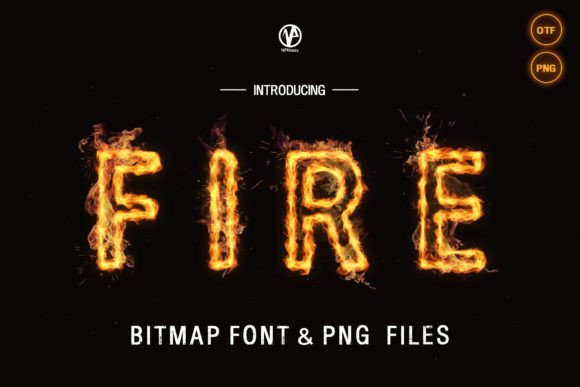
At first glance, Fire presents itself as a striking display font, but its versatility goes much deeper than a simple first impression. What makes it visually appealing is its ability to balance high energy with legibility. It carries a distinct personality—perhaps characterized by sharp serifs, dynamic curves, or a modern script flow—that refuses to be ignored. Unlike standard sans serif fonts that prioritize neutrality, Fire is built for emotion. It evokes passion, intensity, and creativity.
For the brand strategist, this emotional resonance is gold. Fire is not a font you use for the fine print on a legal contract; it is the font you use for the headline that sells the dream. Its visual characteristics are designed to trigger a psychological response, making it perfect for brands that want to appear innovative, bold, or energetic. Whether you are designing a logo for a tech startup or creating merchandise for a music festival, the weight and style of Fire provide a solid foundation for modern typography that feels current and relevant.
From Concept to Commerce: Where Fire Truly Shines
Let’s get practical. How do we actually use a font like this in the real world? The applications are surprisingly broad, ranging from digital assets to physical products.
Consider packaging design. In a crowded supermarket aisle, you have roughly three seconds to grab a consumer's attention. A premium font like Fire can be the difference between a product being picked up or passed over. Imagine a hot sauce label, a fitness supplement, or a boutique coffee blend using Fire for the product name. The typography instantly communicates the product's character—spicy, strong, or bold—before the customer even reads the description.
In the realm of social media graphics, attention is the currency. Platforms like Instagram and TikTok are visual battlegrounds. Using Fire for your Instagram story highlights, YouTube thumbnails, or TikTok overlays ensures your content stops the scroll. It translates exceptionally well to screen, maintaining its clarity even when viewed on small mobile devices, provided you follow basic readability guidelines.
For the small business owner or entrepreneur, Fire offers a cost-effective way to level up your brand identity. Instead of hiring a custom lettering artist for every campaign, a high-quality typeface allows you to maintain a consistent, professional look across:
- Website Headers: Give your landing pages an immediate "wow" factor.
- Merchandise: T-shirts, hats, and tote bags look incredible with bold typographic designs.
- Invitations: Perfect for events that need a bit of edge, like launch parties or creative workshops.
- Poster Design: Capture the essence of an event with typography that commands the room.
Building a Brand That Burns Bright
Visual consistency is the hallmark of a professional brand. If your logo uses a generic font that everyone else is using, you blend into the background. Fire helps solve this problem by offering a distinct voice. When you use a creative font consistently across your marketing assets, you train your audience to recognize you instantly.
Think about how major brands use typography. You can often recognize a brand just by the shape of the letters, even without seeing the logo. Fire allows you to build that same recognition on a smaller scale. It helps bridge the gap between amateur design and professional presentation. When your email newsletter headers match your website banners and your digital product covers, you build trust. You signal to your audience that you care about details.
Moreover, Fire can significantly boost audience engagement. People are drawn to beauty. A well-designed flyer or a beautifully typeset blog header encourages users to read the content beneath it. It sets the mood. If you are a blogger writing about adventure travel, Fire sets an exciting tone. If you are a fashion brand, it adds a layer of chic sophistication. It is not just about looking good; it is about communicating your message more effectively.
The Art of the Pair: Integrating Fire into Your Workflow
One of the biggest questions designers face when adopting a new display font is: "What do I pair it with?" This is where the versatility of Fire really comes into play. Because display fonts are loud and expressive, they rarely work well when paired with another loud font. The rule of contrast is your best friend here.
If Fire has a bold, heavy weight, consider pairing it with a clean, geometric sans serif font for your body text. Fonts like Montserrat, Roboto, or Open Sans often provide a neutral canvas that allows Fire to take center stage without creating visual clutter. Conversely, if Fire leans into a script font or handwritten font style, pairing it with a sturdy serif font can create a sophisticated, editorial look suitable for magazines or high-end lookbooks.
When testing your font pairings, keep a few practical tips in mind:
- Hierarchy is Key: Use Fire for H1, H2, and main headlines. Use your secondary font for paragraphs and call-to-action buttons.
- Check the X-Height: Ensure the lowercase letters of your pairing fonts align somewhat visually to prevent the layout from looking disjointed.
- Spacing Matters: A bold font like Fire often benefits from slightly looser tracking (letter spacing) to let the design breathe, especially in all-caps usage.
Always test your combinations in context. Don't just look at them in a design tool; mock them up on a phone screen, a printed business card, or a t-shirt. This ensures your web design and print materials remain legible across all mediums.
Smart Licensing and Final Thoughts
Before you download and deploy Fire for your next big project, it is crucial to understand the licensing. As a designer or business owner, respecting intellectual property is part of your professional integrity. Most premium fonts, including high-quality assets like Fire, come with specific licensing tiers.
Typically, a standard license covers most uses like logos, websites, and printed materials for a single entity (like your business or a client). However, if you plan to use the font in digital products for resale—such as templates for Canva, website themes, or printable planners—you will likely need an extended license. Always read the "Read Me" file included in the download. This protects you legally and ensures the font designer is compensated for their hard work, allowing them to continue creating amazing design assets for the community.
Ultimately, Fire is more than just a collection of vector paths; it is a tool for expression. It gives you the power to elevate your logo design, refine your editorial design, and inject personality into your packaging design. By choosing a font that aligns with your brand's energy and pairing it thoughtfully with complementary typefaces, you create a visual ecosystem that feels cohesive and professional. Don't be afraid to experiment. Install the font, play with the different styles included (perhaps there are italic, bold, or outline versions), and see how it transforms your work. When you find a font that fits, everything just clicks.