Medieval Leaves: A Font Rooted in Artistic History
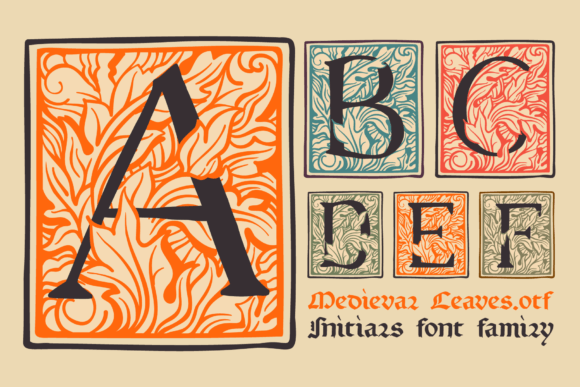
Imagine a time when every book was a treasure, painstakingly crafted by hand. Now, picture the very first letter of a chapter—a grand, ornate "H"—not merely written but illuminated. Delicate, beautifully engraved leaves curled around its form, transforming a simple initial into a work of art. This single, ancient letter became the seed of inspiration for the Medieval Leaves font, a typeface designed to capture that same moment of timeless elegance. It’s a colored decorative font with a distinctive black letter touch, created to help you precisely imitate the textured, artisanal quality of medieval script in your own projects.
More Than Just a Black Letter Typeface
At its core, Medieval Leaves is a display font, but calling it that feels incomplete. It’s a hybrid design that blends the sturdy, angular forms of traditional black letter with an organic, decorative element: the integrated leaf motifs. This combination gives it a unique personality. It doesn't just evoke the past; it feels handcrafted and alive. The "colored" aspect is key—it’s not a standard monochrome font. The leaf details are designed as separate, layered elements, allowing you to apply different colors to the main letter and the foliage for a truly illuminated effect. This makes it a powerful design asset for anyone looking to add a layer of depth and historical charm to their visual communication.
Practical Applications for Modern Creators
So, where does a font like this belong in a modern workflow? Its strength lies in its ability to act as a bold, thematic anchor. Think of it not as your body text workhorse, but as the opening statement that sets the entire tone. For a brand identity project, Medieval Leaves could be the hero element in a logo for a craft brewery, a specialty bookshop, or an artisanal bakery. It instantly communicates tradition, craftsmanship, and a story worth telling. Used on packaging design, it can make a product feel premium and rooted in heritage, standing out on a shelf crowded with sleek, modern sans serif fonts.
In the digital realm, its applications are just as compelling. A single, beautifully typeset word or short phrase using Medieval Leaves can become the focal point of a social media graphic for a history podcast, a fantasy novel launch, or a brand promoting natural, handcrafted goods. For web design, consider using it for the main headline on a landing page or as a decorative drop cap at the beginning of a blog post, exactly as its name suggests. It draws the reader’s eye and establishes an immediate mood. Pair it with a clean, highly readable serif or sans serif font for the body text to ensure your content remains accessible and professional.
Achieving Visual Harmony and Brand Recognition
Using a creative font like Medieval Leaves effectively is about balance. Its high level of detail means it’s best used sparingly. Overuse can overwhelm a design and hurt readability. The goal is to use its ornamental nature to your advantage, creating a memorable visual hook. When you consistently use such a distinctive typeface for your key headlines or logos, you build a powerful element of brand recognition. Your audience will start to associate that specific, leaf-adorned lettering with your brand’s unique story and values, whether that’s history, nature, or meticulous craftsmanship.
This practice contributes directly to visual consistency across all your materials. From your website header to your printed invitations and marketing assets, the font becomes a recognizable thread. This consistency builds trust and makes your brand feel more established and thoughtfully curated. It’s a practical step toward a more professional presentation, showing that you’ve considered every detail of your audience’s experience.
Smart Font Pairing and Licensing Considerations
The key to unlocking Medieval Leaves’ potential is a smart font pairing. Since it’s a highly stylized serif font (with black letter roots), it demands a calmer partner. A simple, geometric sans serif font like Montserrat or Lato can create a beautiful contrast, letting the decorative initial shine while keeping body text crisp and easy to read. Alternatively, a classic, transitional serif like Garamond or Baskerville can harmonize with its historical feel without competing for attention. Always test your pairings in context—see how they look on a mockup of your intended use, whether it’s a business card or a website hero image.
Before diving into a major project, review the font package thoroughly. A premium font often includes more than just the basic letters. Check for alternate characters, ligatures, or separate leaf elements that offer more design flexibility. Crucially, understand the licensing. Most commercial fonts require a specific license for commercial use (like on products for sale or client work). Ensure your license covers all your intended applications to avoid legal issues down the line. This due diligence is a non-negotiable part of using design assets professionally.
Ultimately, Medieval Leaves is more than a typeface; it’s a storytelling tool. It invites a sense of history, artistry, and narrative into your work. By using it thoughtfully—as a striking opening act supported by simpler, readable fonts—you can create designs that don’t just communicate a message, but also evoke a feeling. It’s for the designer who wants to add a touch of the epic, the business owner who wants to showcase their brand’s unique origin story, and the creator who believes that even a single letter can hold a world of meaning. Let that ancient, illuminated "H" inspire your next project, and see how a touch of the medieval can feel surprisingly fresh.