Bring the Outdoors In: A Deep Dive into Nature Doodle Fonts
There’s a specific feeling you get when you look at a hand-drawn fern, a whimsical butterfly sketch, or a playful arrangement of wildflowers. It’s a blend of nostalgia, creativity, and organic warmth that sterile, digital fonts often miss. For designers, crafters, and brand builders, capturing that feeling is the key to creating work that truly connects. This is where the charm of a nature-themed doodle font becomes an invaluable asset, offering a direct line to that handcrafted aesthetic in every project you touch.
At its core, a font like Nature Doodle is more than just a set of letters. It’s a complete design language. Typically, a premium font package in this style will include several key file formats to ensure versatility across your software. You’ll find OTF (OpenType) and TTF (TrueType) files, which are the workhorses for desktop applications, ensuring smooth installation on both Mac and Windows. Crucially, a well-packaged creative font will also include files optimized for popular design platforms. This means you’re looking for Procreate Font compatibility for your iPad illustrations, as well as dedicated files for Affinity Font users—whether you’re working in Affinity Designer Font for vector work, Affinity Photo Font for raster edits, or Publisher for layout. This cross-platform readiness means you can start a logo sketch on your tablet and finalize the brand collateral on your desktop without a hitch.
The Anatomy of a Playful, Organic Typeface
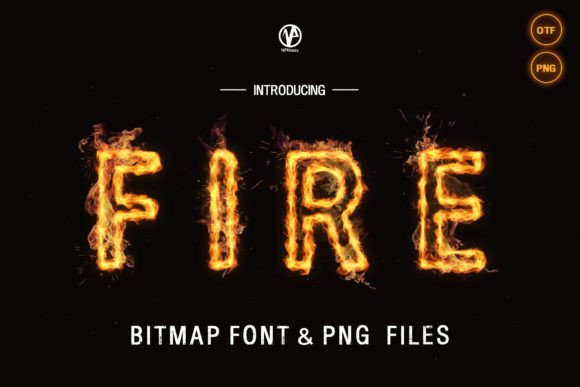
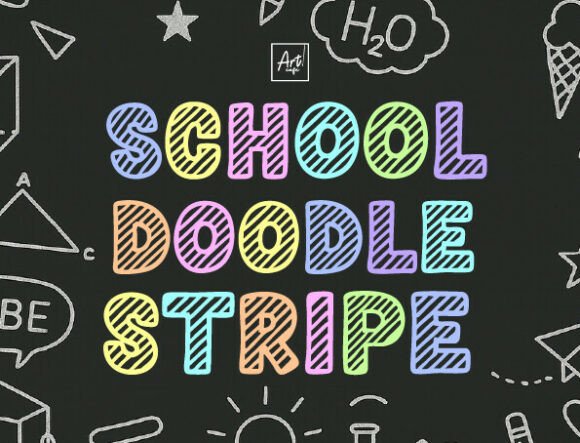
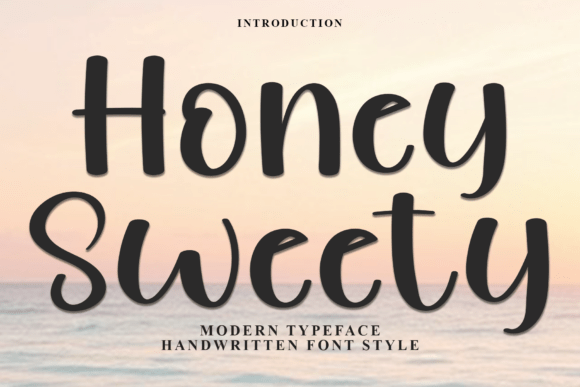
What sets a font like Nature Doodle apart from a standard script or sans serif is its personality. Often categorized as a display font or handwritten font, its visual characteristics are intentionally imperfect. You’ll notice uneven baselines, varying stroke weights, and charming quirks in the letterforms that mimic the natural irregularity of a hand-drawn illustration. This isn’t a serif font for body text; it’s a creative font designed for headlines, logos, and focal points where personality trumps uniformity.
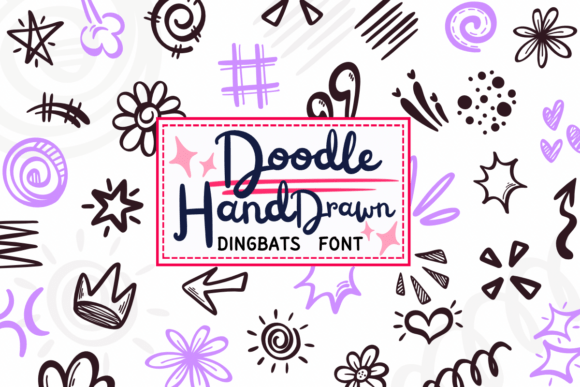
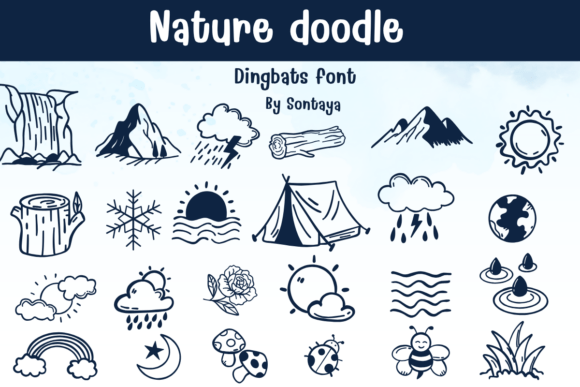
A standout feature in many of these packages is the inclusion of Dingbats Doodle Cartoon elements. These are special characters that, when typed, render as standalone illustrations—think a tiny acorn, a bee, a leafy branch, or a floral swirl. This transforms the font from a typographic tool into a full-fledged design asset, allowing you to sprinkle thematic illustrations throughout your work without needing separate vector files. The Coloring Outline style is another gem, providing clean, black-line versions of the letters and doodles perfect for coloring books, educational materials, or projects where you want to apply your own custom color palette.
Practical Applications: From Brand Identity to Product Packaging
So, how do you actually use this kind of modern typography in the real world? The applications are surprisingly broad and cater to both digital and physical products.
- Brand Identity & Logo Design: For a business that wants to convey approachability, creativity, or an eco-conscious ethos, a nature doodle typeface can be the cornerstone of its brand identity. Imagine a local florist, a children’s book author, an organic skincare line, or a hiking blog. Using this font for their primary logo wordmark instantly communicates their niche and values. It pairs beautifully with a clean sans serif font for supporting text, creating a balanced and professional yet friendly look.
- Packaging & Merchandise: On a product label, a tote bag, or a coffee mug, this font grabs attention. It makes packaging feel artisanal and special. The included dingbats can be used to create decorative borders or spot illustrations on the back of a box, adding value and cohesion to the unboxing experience.
- Digital & Social Media Graphics: In the fast-scrolling world of Instagram or Pinterest, a distinctive font stops the thumb. Use it for quote graphics, sale announcements, or Instagram Story headers. Its playful vibe is perfect for engaging a community around hobbies, parenting, wellness, or outdoor adventures. For a website or blog, it’s an excellent choice for post titles or section headers, breaking up the monotony of standard web design typography and reinforcing your niche.
- Print & Editorial Design: Think beyond digital. This font shines on event posters for farmers' markets, workshop flyers for art classes, or the cover of a self-published recipe book. In editorial design, it can be used for pull quotes or chapter headings in a magazine spread about gardening or sustainable living, adding a layer of visual storytelling.
- Invitations & Personal Projects: For the crafter or hobbyist, it’s a dream. Create unique birthday party invitations, personalized stationery, or custom home décor prints. The Coloring Outline version is particularly useful for creating DIY coloring pages for kids or stress-relief activity books for adults.
Making It Work: Pairing, Readability, and Licensing
Adopting a specialty font is exciting, but a thoughtful approach ensures your designs are both beautiful and effective. The most critical rule is readability considerations. A decorative font like Nature Doodle is rarely suitable for long paragraphs of text. Its strength is in short, impactful bursts. Use it for your headline, then switch to a highly legible serif font or sans serif font for the body copy. This contrast not only ensures your message is easily read but also creates a dynamic visual hierarchy that guides the viewer’s eye.
Testing font pairings is a non-negotiable step. Don’t just settle on the first combination you try. Place your headline in the Nature Doodle font and experiment with a few different options for the subheading or body text. A simple, geometric sans serif can provide a clean, modern counterpoint. A classic serif can add a touch of elegance. The goal is to find a partner that complements without competing. Pay attention to the overall color and texture on the page—your headline font will have a lot of visual “weight” due to its detailed style, so your supporting type needs to be lighter to maintain balance.
Finally, always review the commercial licensing considerations that come with your premium font purchase. A reputable font will include a clear license outlining what is permitted. Typically, a standard commercial license allows for use in projects where the font is embedded or flattened (like a printed poster, a social media image, or a logo). However, it may have restrictions on embedding the font file itself in software or digital products for redistribution. Understanding these terms is essential for any creative entrepreneur or business to use their design assets legally and confidently. By choosing a font with broad, clear licensing, you’re not just buying a typeface—you’re investing in a versatile tool that can grow with your projects, from a single blog post to a full product line.