Sound Card: The Typeface That Feels Like a Friendly Conversation
You know that feeling when you find a font that just clicks? It doesn’t scream for attention, but it doesn’t fade into the background either. It feels approachable, a little playful, and surprisingly versatile. That’s the quiet charm of Sound Card. This isn’t a typeface that tries to be everything to everyone; instead, it offers a specific, warm personality that can bridge the gap between professionalism and approachability in your next project.
More Than Just a Pretty Face: The Practical Appeal of Sound Card
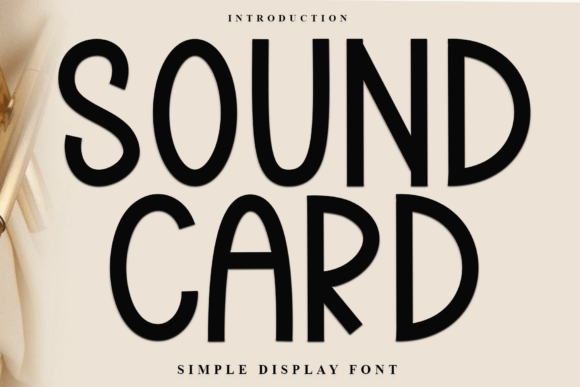
At its core, Sound Card is a premium font with a distinct handwritten font character, but it’s been refined for clarity and impact. Its strokes have a soft, organic flow, avoiding the scratchy or overly casual look that can sometimes undermine a brand’s credibility. This careful balance makes it a powerful tool for visual communication. Imagine it on a boutique coffee bag, the header of a lifestyle blog, or the title card for a YouTube tutorial—it instantly sets a tone that is creative yet trustworthy. This creative font is designed for real-world application, ensuring your message isn’t just seen, but felt.
Where Sound Card Truly Shines: From Screen to Shelf
Its utility spans a remarkable range of creative fields. For brand identity and logo design, it can craft a mark that feels personal and memorable, perfect for artisan brands, consultants, or creative studios. In packaging design, its legibility at various sizes helps products stand out on crowded shelves with a human touch. The digital world is equally welcoming; it’s a fantastic choice for social media graphics that need to stop the scroll, for web design headings that guide the eye, or for blog titles that promise engaging content. Don’t overlook print—think posters for local events, elegant invitations, or editorial layouts in magazines where a touch of personality is needed without sacrificing readability.
Integrating Sound Card into Your Design Workflow
Choosing a typeface like this is the first step; using it effectively is the next. A key strength of Sound Card is its ability to enhance visual consistency. By using it as your primary display font across your website, marketing materials, and product packaging, you create a recognizable thread that strengthens brand recognition. Its clean readability ensures that your professional presentation isn’t compromised, even while conveying a friendly vibe. This can directly boost audience engagement, as people naturally connect with designs that feel authentic and approachable.
When you download this design asset, you’ll likely find it includes multiple font styles—perhaps regular, bold, or italic. Review these carefully. The bold weight might be perfect for impactful logo design, while the regular weight excels in body text for digital products or marketing assets. Always test your font pairing. Sound Card’s friendly nature pairs beautifully with a clean, neutral sans serif font for body text, creating a harmonious hierarchy that’s easy to read. For a more dynamic contrast, try it with a simple serif font in an editorial design context.
Practical Tips for a Smooth Integration
- Test in Context: Don’t just look at the font in a design program. Mock it up on a business card, a mobile screen, or a product label to see how it performs in real-life scenarios.
- Consider the Scale: While beautiful, handwritten fonts can lose detail at very small sizes. Use Sound Card for headlines, subheadings, and accents, and pair it with a highly legible sans serif for small body copy on websites or in packaging descriptions.
- Check the License: If you’re using it for a client project, merchandise for sale, or commercial work, ensure you have the appropriate commercial font license. This protects you and respects the designer’s work.
Ultimately, the best modern typography choices are those that serve the project’s goal. Sound Card isn’t a one-size-fits-all solution, but for the right project, it’s a standout choice. It offers the warmth of a script font with the stability needed for professional design assets. By understanding its personality and applying it thoughtfully, you can create work that resonates visually and connects on a human level, whether you’re building a brand from scratch or refreshing a content creator’s online presence.