Single Line: The Handwritten Font That Feels Both Classic and Contemporary
There’s a particular magic in handwriting—the way a single, fluid stroke can convey personality, warmth, and authenticity. In a digital landscape often dominated by rigid, geometric typefaces, a font that captures that human touch feels like a breath of fresh air. Single Line is precisely that: an exquisite handwritten font that masterfully balances timeless calligraphic elegance with a clean, modern sensibility. It’s the kind of typeface that doesn’t just sit on a page; it communicates, connects, and elevates. Whether you’re a designer crafting a brand identity, a small business owner building a website, or a content creator making social media graphics, this font has the versatility to become a true cornerstone of your visual toolkit.
A Typeface with Personality and Poise
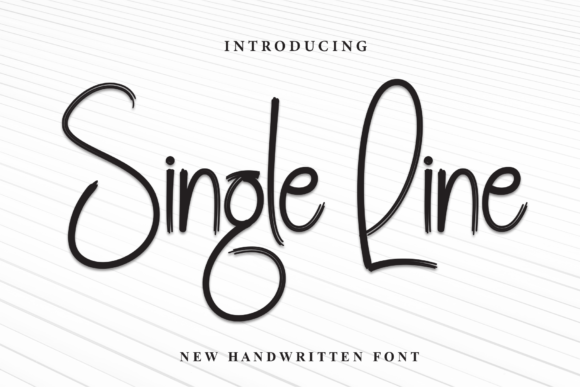
What sets Single Line apart from countless other script and handwritten fonts is its remarkable duality. It possesses the graceful, flowing lines of classic calligraphy, giving it a sense of sophistication and artistry. Yet, it avoids feeling overly ornate, dusty, or dated. The contemporary touch is evident in its balanced letterforms and consistent weight, which ensure it remains remarkably readable even at smaller sizes. This isn’t a font that shouts; it speaks with confident, understated charm. The "single line" aesthetic refers to its clean, uninterrupted strokes, which create a cohesive and polished look. This characteristic makes it exceptionally versatile, suitable for projects that demand both a personal touch and professional clarity.
Think of it as the typographic equivalent of a well-tailored blazer paired with a relaxed pair of jeans—it’s perfectly put-together without being stuffy. For a brand, this means you can convey approachability and creativity without sacrificing credibility. For a blog, it adds a layer of personality that can make readers feel more connected to the writer’s voice. The font family often includes stylistic alternates, ligatures, and multiple weights, providing designers with a rich palette to create nuanced typographic hierarchies and unique visual expressions.
From Brand Identity to Packaging Design: Where Single Line Shines
The true test of a premium font is its real-world application. Single Line excels across a diverse range of creative and commercial projects, proving its value as a versatile design asset.
- Branding and Logo Design: A logo sets the entire tone for a brand. Single Line’s distinctive character can help create a memorable wordmark or complement a symbolic logo. Its handwritten nature instantly injects warmth and personality, making it ideal for lifestyle brands, boutique shops, artisanal products, creative agencies, and personal brands seeking a human-centric identity.
- Packaging and Merchandise: On a product label, box, or piece of merchandise, typography needs to catch the eye and convey essential information quickly. Single Line’s readability makes it excellent for product names, taglines, or featured ingredients. It can transform a simple jar of jam or a t-shirt into something that feels special and thoughtfully crafted.
- Digital Presence and Marketing: In the digital realm, consistency is key. Using Single Line across your website headers, blog post titles, and social media graphics creates a unified visual language. Its style works beautifully for Instagram quotes, Facebook ads, Pinterest pins, and YouTube thumbnails, helping your content stand out in a crowded feed. For email marketing, a subject line set in this font can dramatically increase open rates by adding a personal, intriguing flair.
- Editorial and Print Design: Don’t limit this creative font to digital projects. It’s equally powerful in print materials like posters, flyers, business cards, and invitation suites. Imagine wedding invitations with a romantic, flowing script, or a restaurant menu that feels handcrafted and inviting. In editorial layouts, such as magazines or lookbooks, it can be used for pull quotes or section headers to break up text and add visual interest.
Enhancing Communication and Connection
Choosing a typeface is a strategic decision that impacts how your message is received. Single Line contributes positively to several key aspects of visual communication:
Visual Consistency and Brand Recognition: When you select a primary typeface like Single Line and use it consistently across all touchpoints—from your website to your invoices to your social media profiles—you build a recognizable brand signature. Customers begin to associate that specific visual style with your business, strengthening recall and trust.
Readability and Professional Presentation: While many script fonts sacrifice legibility for style, Single Line is designed with practicality in mind. Its clear letterforms ensure that your name, your tagline, or a key message isn’t lost in decorative swirls. This professionalism is crucial for establishing authority, especially in competitive markets like web design or digital product sales.
Audience Engagement: Fonts carry emotional weight. The warmth and authenticity of a well-crafted handwritten font can make your audience feel more personally addressed. This subtle psychological effect can increase engagement, whether it’s lingering on a webpage, clicking a call-to-action button, or sharing a social media post.
Practical Guidance for Using Single Line Effectively
Integrating a new typeface into your workflow requires a bit of thought to maximize its impact. Here’s some practical advice for making the most of Single Line:
- Understand Its Personality: Before you start, consider the project’s goal. Single Line’s blend of classic and contemporary makes it suitable for projects that are elegant yet approachable, creative yet reliable. It might not be the best fit for a highly technical, corporate financial report, but it’s perfect for a bakery’s menu or a photographer’s portfolio.
- Master Font Pairing: A display or script font like Single Line rarely works well alone for large blocks of body text. The key is pairing. It creates a beautiful contrast when used alongside a clean, neutral sans serif font for body copy. For a more traditional feel, pairing it with a classic serif font can also work. The rule of thumb is to let the handwritten font be the star for headlines and short, impactful text, while its partner handles the heavy lifting of readability.
- Test Thoroughly: Always test your chosen font pairings in context. View them on different devices (for web design) and in print proofs. Check readability at various sizes. Does the headline remain legible when scaled down on a mobile screen? Does the body text complement it without competing?
- Explore the Full Family: Don’t just use the default weight. A premium font like Single Line often comes with multiple styles—light, regular, bold, and sometimes italic or swash versions. Experimenting with these can add depth and hierarchy to your designs. A bold weight might be perfect for a poster headline, while a light weight could add subtle elegance to an invitation.
- Licensing Matters: If you plan to use the font for commercial projects—which includes anything for a business, client work, or products you sell—ensure you have the correct commercial license. This is a standard practice with professional font foundries and protects both you and the font designer. Always review the license agreement to understand your permitted uses.
In the end, typography is about more than just choosing letters that look nice. It’s about finding a voice for your visual communication. Single Line offers a voice that is articulate, stylish, and deeply human. It provides a practical solution for designers and creators who need to inject personality into their work without compromising on clarity or professionalism. By thoughtfully integrating it into your projects, you can create a more engaging, consistent, and memorable experience for your audience, truly bringing your creative vision to its highest potential.