Lemonhoney Duo: A Sweet Blend of Whimsy and Elegance
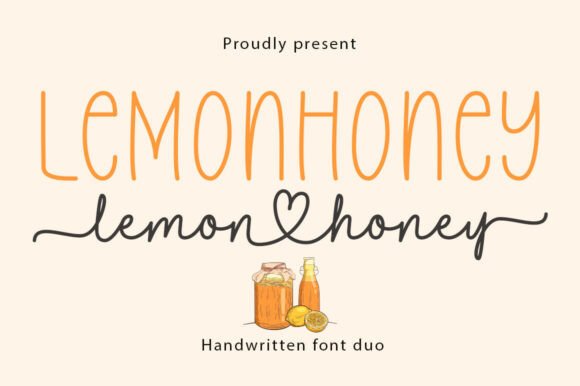
There's a certain magic in typography that feels personal—fonts that carry the warmth of handwritten notes, the charm of artisanal labels, and the authenticity of handcrafted design. If you've ever scrolled through endless font libraries searching for something that strikes the perfect balance between playful and sophisticated, you know the struggle. You want something versatile enough for professional branding yet warm enough to feel human. Enter Lemonhoney Duo, a thoughtfully crafted font pairing that brings together the best of two typographic worlds: a tall, whimsical all-caps sans serif and a smooth, elegant connecting script.
What Makes This Font Pairing Stand Out
At its core, Lemonhoney Duo solves a problem many designers and business owners face daily—how to create visual harmony without spending hours testing dozens of typefaces. The pairing is intentionally designed to work together, eliminating the guesswork that often comes with font matching. The sans serif component carries a tall, airy quality with just enough personality to make headlines pop without feeling stiff or corporate. Meanwhile, the script font flows with a natural rhythm, mimicking the organic strokes of a confident hand at work.
What really sets this typeface apart are the details. Thoughtful ligatures give connected letter combinations a seamless, authentic look—no awkward joins or unnatural breaks. Then there's the charming heart swash, a subtle decorative element that adds a touch of warmth to signatures, taglines, or accent text. These aren't gimmicks; they're the kind of thoughtful design choices that elevate a project from generic to memorable.
Real-World Applications That Actually Work
Let's talk about where Lemonhoney Duo truly shines, because a font is only as valuable as the projects it enhances. If you're building a brand identity for a small business—especially one in the food, wellness, lifestyle, or handmade space—this font pairing offers an immediate sense of authenticity. Think about a local bakery's logo, a skincare line's packaging, or a farm-to-table restaurant's menu. The handwritten quality communicates care, attention to detail, and a personal touch that resonates with consumers who value authenticity.
For packaging design, the combination of the bold sans serif for product names and the flowing script for descriptions or taglines creates a natural hierarchy that guides the eye. Customers scanning a shelf should be able to identify your product name instantly while also catching the supporting text that tells your story. This font duo makes that balance remarkably easy to achieve.
Wedding invitations and event stationery represent another natural fit. The script font carries an elegance appropriate for formal occasions, while the sans serif adds a modern edge that keeps designs from feeling stuffy or outdated. Save-the-dates, RSVP cards, programs, and thank-you notes all benefit from this kind of versatile typography.
Social media graphics deserve special mention here. If you're creating content for Instagram, Pinterest, or Facebook, you know how critical it is to stop the scroll. Bold, eye-catching headlines paired with graceful supporting text can transform a simple quote graphic, product announcement, or promotional post into something that genuinely engages your audience. The handwritten quality also photographs beautifully, adding texture and visual interest that flat, digital fonts often lack.
Building Visual Consistency Across Your Brand
One of the most overlooked aspects of brand building is typographic consistency. When your website uses one font family, your social media uses another, and your printed materials use a third, the result feels disjointed. Your audience may not consciously notice the inconsistency, but they'll sense it—and it subtly undermines trust.
Lemonhoney Duo addresses this by offering enough range to cover multiple touchpoints within a single cohesive system. The sans serif handles headlines, product names, and calls to action across both digital and print formats. The script supports with body text accents, signatures, and decorative elements. Together, they create a unified visual language that carries from your website to your business cards to your product tags without missing a beat.
This kind of consistency directly impacts brand recognition. When customers encounter the same typographic personality across different platforms and materials, they begin to associate that visual style with your business. Over time, even a quick glance at your font choices triggers recognition. That's the power of a well-chosen typeface used consistently.
Practical Tips for Getting the Most from Your Font
Before committing to any font for a project, take time to test it in context. Download Lemonhoney Duo and experiment with your actual content—your business name, your tagline, your product descriptions. Fonts behave differently depending on the words they render, the colors behind them, and the spacing around them. What looks stunning in a font preview might need kerning adjustments or size tweaks when applied to your specific project.
Pay close attention to readability, especially for body text. While the script component is beautiful, script fonts generally work best for short passages—signatures, taglines, pull quotes, or accent phrases. For longer blocks of text on websites or printed materials, consider pairing the script with a clean, neutral body font. The sans serif component of Lemonhoney Duo works well for medium-length headlines, but for extended reading, a dedicated body typeface will serve your audience better.
Review all the included glyphs and ligatures before starting your project. Lemonhoney Duo's PUA encoding means every character is accessible without special design software, but you'll want to know what's available. The heart swash, for instance, might be perfect for a Valentine's Day promotion or a love-themed blog post, but you'll only discover these possibilities if you explore the full character set upfront.
Also worth noting: if you're using this font for commercial purposes—client work, products for sale, marketing materials—confirm that your licensing covers that use. Most premium fonts offer commercial licenses, but the specifics vary. A few minutes of review now prevents headaches later.
Matching Typography to Your Project Goals
The best typography decisions start with intention. Before choosing a font, ask yourself what emotion you want your design to evoke. Lemonhoney Duo communicates warmth, approachability, and craftsmanship. It's ideal for brands and projects that want to feel personal, handmade, and genuine. If your aesthetic leans toward minimalism, stark modernism, or high-tech futurism, this probably isn't your match. But if your brand story involves natural ingredients, handmade goods, personal service, or heartfelt connection, this typeface speaks your language fluently.
Consider your audience's expectations as well. A food blog reader expects a different visual tone than a fintech customer. Wedding guests anticipate elegance and romance. Craft fair shoppers respond to artisanal authenticity. When your typography aligns with your audience's expectations, you reduce friction and build trust more quickly.
Finally, don't underestimate the value of investing in quality design assets. A premium font like Lemonhoney Duo is a small investment that pays dividends across countless projects. Unlike free fonts that often come with licensing restrictions, limited character sets, or inconsistent quality, a well-crafted commercial font gives you professional-grade tools that grow with your brand. Whether you're designing your first logo or refreshing your tenth marketing campaign, having reliable, beautiful typography in your toolkit makes every project smoother and every result more polished.