Antiink: Capturing Raw Street Energy in Your Typography
Every brand, project, or piece of art has a voice. Sometimes, that voice isn't quiet, polished, or corporate. It's loud, gritty, and unapologetically real. It's the voice of a city wall, a protest poster, or a underground music flyer. For those moments, standard corporate typefaces fall flat. You need a font that doesn't just display words, but embodies an attitude. This is where a specialized display font like Antiink steps in, offering a direct conduit to that raw, unfiltered energy.
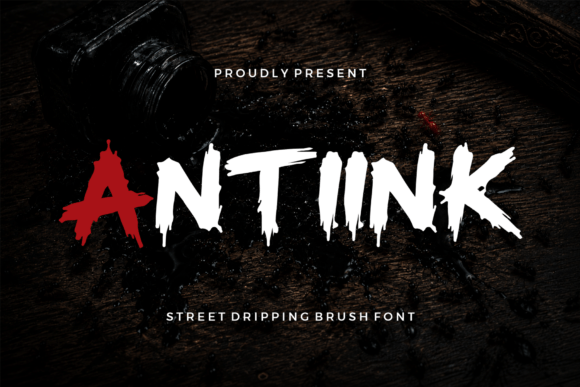
Antiink is a premium font crafted specifically for this purpose. It's a graffiti-inspired brush font that doesn't just mimic street art—it feels born from it. Each character carries the weight of a loaded brush, with aggressive strokes, intentional ink splatters, and a texture that screams handcrafted originality. This isn't a font for whispering; it's for shouting your message from the rooftops. For designers, entrepreneurs, and creators looking to inject a dose of rebellious spirit into their work, it provides a powerful tool for visual communication.
More Than Just Letters: The Anatomy of an Urban Typeface
What sets Antiink apart in the sea of creative fonts is its commitment to authenticity. It’s saturated with the visual language of rebellious street art and underground culture. The brush strokes are deliberately uneven, mimicking the pressure and motion of a real artist's hand. You can see the texture of the bristles and the way ink pools and drips at the terminals of letters. This level of detail creates a visceral, tactile quality that digital perfection often lacks.
This design philosophy makes it a standout typeface for projects that need to feel personal and immediate. While a serif font conveys tradition and a sans serif font suggests modern cleanliness, Antiink communicates authenticity, rebellion, and creative passion. It’s the typographic equivalent of a well-worn leather jacket—full of character and impossible to ignore. The key is that this rawness is balanced with careful design, ensuring the letterforms maintain bold readability even at large scales, which is critical for effective headline typography.
Practical Applications: Where to Unleash the Urban Vibe
Understanding a font's personality is one thing; knowing how to deploy it effectively is another. Antiink's strength lies in high-impact, visual-first applications. Its aggressive style makes it less suited for long body text but perfect for grabbing attention instantly. Consider integrating it into your workflow for these common design scenarios:
- Branding & Logo Design: For brands targeting a youthful, urban, or counterculture audience—think streetwear labels, skate shops, independent record stores, or edgy cafes—Antiink can form the core of a memorable brand identity. A logo set in this font immediately signals what the brand is about.
- Packaging Design: Imagine this font on a craft beer label, a hot sauce bottle, or a box of artisanal coffee. It adds shelf appeal and tells a story of craftsmanship and edge before the product is even tried.
- Marketing & Social Media: In the fast-scroll world of Instagram, TikTok, or Facebook, you have milliseconds to stop a thumb. Using Antiink for social media graphics, quote cards, or promo banners creates instant visual intrigue and drives higher engagement.
- Print & Posters: Event posters for concerts, gallery openings, or community rallies benefit enormously from this aesthetic. It sets the mood and communicates the event's energy level at a glance.
- Merchandise & Apparel: From t-shirts and hoodies to tote bags and stickers, this font translates perfectly to physical merchandise, creating products that feel authentic and desirable to your target audience.
Integrating Antiink into Your Design Workflow
Adopting a bold new font is exciting, but a strategic approach ensures it enhances rather than overwhelms your project. Here’s how to make the most of this design asset.
First, always consider font pairing. Because Antiink is so expressive, it typically works best when paired with a simpler, more neutral typeface for supporting text. A clean sans serif font or a simple script font can provide excellent contrast, allowing the headline font to shine without creating visual chaos. For example, use Antiink for a main headline and a font like Montserrat or Open Sans for subheadings and body copy.
Second, test for context and readability. Always preview your text at the actual size it will be used. While Antiink is designed for clarity at larger scales, it’s wise to check how specific letter combinations look in your chosen word or phrase. This is especially important for logo design, where every letter needs to be distinct.
Third, explore the full family. Many premium fonts like this come with stylistic alternates, swashes, or additional weights. Experimenting with these can give you even more creative control and help you customize the look to perfectly match your project's unique needs.
Finally, be mindful of licensing. If you're using it for commercial work—like client projects, merchandise for sale, or digital products—ensure you have the appropriate commercial license. This protects both you and the font creator and is a standard professional practice in the industry.
Finding the Right Voice for Your Project
Choosing a font is a fundamental decision in any creative process. It’s not merely about aesthetics; it’s about communication. The right modern typography choice can elevate a design, clarify a message, and build a stronger connection with your audience. Antiink offers a specific, powerful voice: one of urban authenticity, handcrafted quality, and bold expression.
It’s the tool you reach for when you need to cut through the noise and make a statement that feels genuine. Whether you're a designer building a brand identity for a new startup, a content creator looking to make your digital products stand out, or a small business owner designing eye-catching packaging, this typeface provides a direct line to that coveted street-level credibility. It reminds us that sometimes, the most powerful designs are the ones that feel a little rough, a little real, and completely alive.